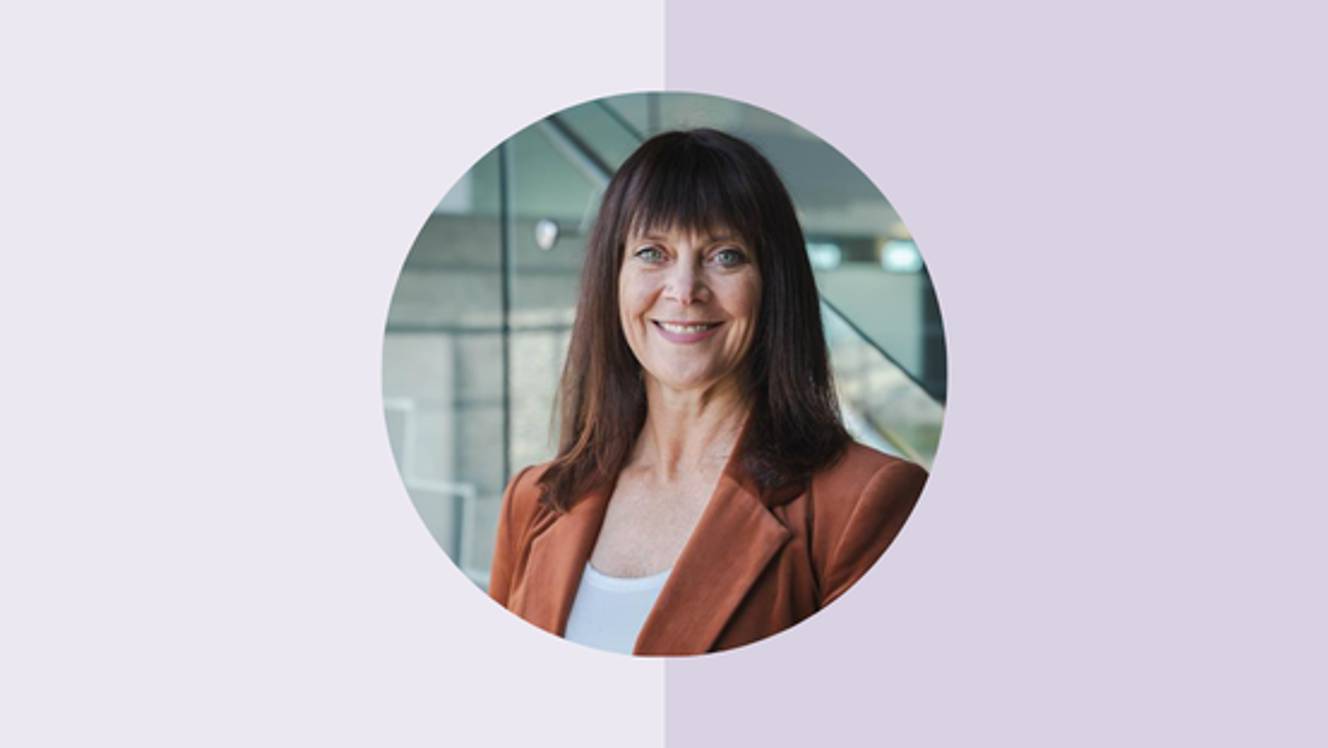
As a leader, Melissa Irving doesn’t talk about change as something she delivers alone. She talks about it as something that happens when people are given clarity, trust and the space to do their work well.
As Regional Director of Teaching and Learning (Secondary) for OneSchool Global across New Zealand and Argentina, Melissa works alongside Campus Principals, Heads of Department and teachers across 20 campuses. Her role is less about directing from the centre, and more about building the conditions for strong teaching and learning to flourish consistently.
“I see my role as enabling others,” she says. “If the systems are clear and people feel supported, then they can focus on what really matters, students and learning.”
Joining OneSchool Global in 2025 with nearly 30 years of experience in education, Melissa spent her first months listening carefully. She met with leaders, reviewed data, visited campuses and spoke directly with students and staff to understand what was working well and where support was needed.
“What was really clear was that people were working incredibly hard,” she explains. “But there were gaps in consistency, and in some cases systems just didn’t exist. That can make good work harder than it needs to be.”
Working collaboratively with leadership teams, Melissa helped introduce clearer academic planning processes, shared expectations for Heads of Department, and tools that gave teams better insight into student progress. These weren’t radical changes, but practical ones, shaped by feedback and refined with those they were intended to serve.
“I always start with the question: will this actually help?” she says. “If it’s not going to make someone’s job easier or improve the experience for students, then we rethink it.”
A key focus of Melissa’s work has been strengthening leadership capability. With many Heads of Department new to role, she worked closely with them to build shared practices, clearer induction, and stronger connections across primary and secondary. Over time, this has created a more unified leadership culture, even across distance.
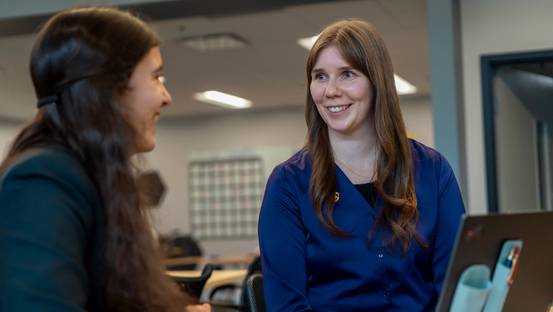
“In a model like ours, connection has to be intentional,” she says. “We meet regularly online, and when we are together in person, that time is incredibly valuable. It’s where relationships deepen and real progress is made.”
Enabling all students to perform at their best has also been a consistent focus of the work Melissa has led alongside teaching teams. Rather than changing expectations, the emphasis has been on strengthening the structures and support that help students engage confidently with their learning, particularly in a hybrid learning environment, spread across multiple campuses.
“Something we learned was that we couldn’t assume students knew how to study or prepare for exams,” Melissa says. “So, we have worked to make that really explicit.”
Melissa and her team have led the introduction of clearer exam preparation and more consistent communication with families. These changes were shaped by student voice, staff insight and academic data, and designed to support students who need more guidance to manage workload, assessment and expectations effectively.
For Melissa, leadership comes back to something simple. Trust people, be clear about purpose, and support them to do their work well.
“I lead the same way I always have,” she says. “With empathy, honesty and a belief that people want to do a good job. When you respect that, collaboration comes naturally.”